SHEET 01 / MUSTAFA DUALEH / ASIA-PACIFIC · UTC+8
MVPs, mobile apps and AI features.
Built to hold up.
I design and ship software for startups and small teams: a first version, a mobile app, or one AI feature that works in production. I spent eight years shipping Android and web products in Japan (2017–2025): at Nissan, at Daimler Trucks Asia, and as the sole Android developer of the Smooz browser (100,000 downloads). Today I build with AI coding agents: one writes, another reviews, tests must pass, and I approve every merge.
Not sure where to start? A paid scoping sprint (USD 600, 3–5 days) gives you a feature list, data model and fixed quote you keep either way. Start with a scoping sprint Opens your email app. I reply within one working day with questions and a suggested first milestone.
Sheet 02: What I can build for you
Three fixed-scope offers, each with a written plan, a weekly demo and a handover your team can maintain.
-
SVC-01 · 4–8 weeks
MVP build
For founders and small businesses with a validated idea who need a working first version, as a web app or a mobile app.
- A paid scoping sprint first (USD 600, 3–5 days): feature list and data model before any code
- Web app (React) or Android app (Kotlin), or Flutter for both platforms
- Accounts, database and API; Stripe payments and transactional email (admin panel in the larger package)
- Tests on the money and data paths, CI/CD, store release where relevant, and a handover guide
From USD 4,500
one core workflow, web or Android, 4–5 weeks; with admin panel and operations USD 8,500, 6–8 weeks; Flutter for both platforms quoted after scoping
Proof: Tinkr Doodles, from photo upload to Stripe checkout, designed and shipped to private beta. Case study Track record: eight years of Android at Nissan (connected-car apps, Android Automotive SDK, Flutter) and as sole Android developer of a startup browser that reached 100,000 downloads.
-
SVC-02 · 1–4 weeks
AI feature in production
For teams who want one useful AI feature in an existing product, without runaway costs or unpredictable output.
- Claude or OpenAI behind your backend, never in the browser
- Answers come back in a fixed format your app can rely on
- If the model fails or stalls, your product keeps working; abuse protection and a daily spend cap stop surprise bills
- Accuracy measured on your own data before launch, not assumed
USD 900
one-week prototype; production from USD 2,500, 2–3 weeks
Proof: Every Doodles drawing is screened by a vision model whose output is schema-checked and fails closed, under a daily spend cap. Case study
-
SVC-03 · 3 days–4 weeks
Fixes, performance and improvements
For products that already exist and need to get better: bugs, slow screens, upgrades, integrations and the features that keep getting postponed.
- Bug fixes with a regression test for each one
- Performance and stability work, on web and Android
- Upgrades and migrations: SDK and framework versions, Java to Kotlin, dependency clean-ups
- Integrations, including Stripe payments and third-party APIs
USD 600
3–5 day audit with a written report; fixed-scope work from USD 1,500, or hourly
Proof: Tinkr's checkout re-checks Stripe before an order changes, with a recovery path if a webhook never arrives. Case study Track record: introduced unit testing to a production Android codebase at Nissan.
Ongoing work
- Maintain ~40 h/month · USD 2,200
- Build ~70 h/month · USD 3,600
- Part-time team member ~100 h/month · USD 4,800
Billed monthly, weekly written update, 30 days' notice. Also available for Android and Kotlin maintenance. I work remotely from the Asia-Pacific time zone (UTC+8).
Sheet 03: Featured work: Tinkr Doodles
A parent photographs a child's drawing. A few minutes later they can turn a 3D figurine of it, choose the colours and order a print, which Tinkr is designed to route to an independent local maker. One of the apps I built on Tinkr, my startup.
-
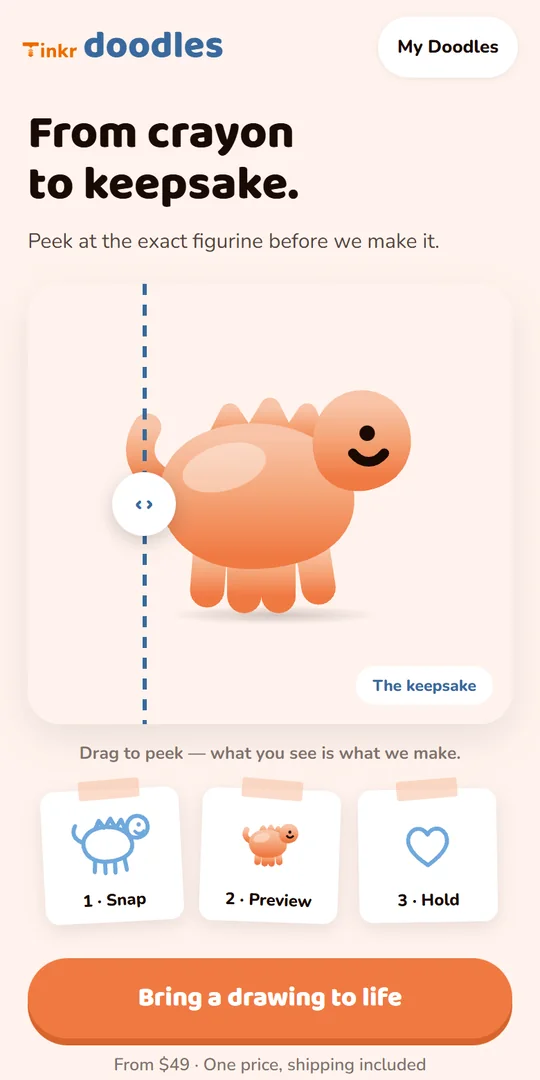
Start
-
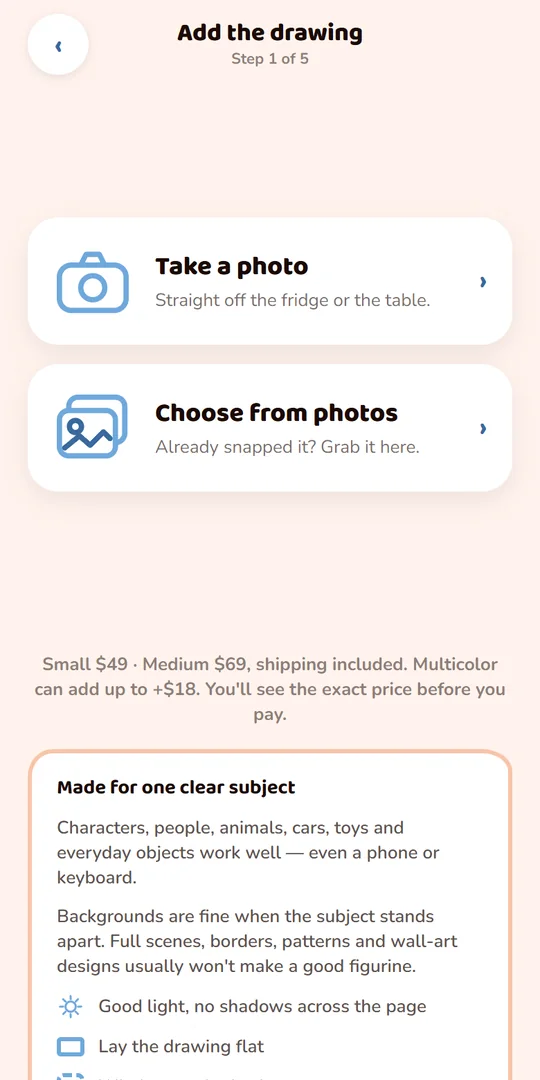
Add the drawing
-
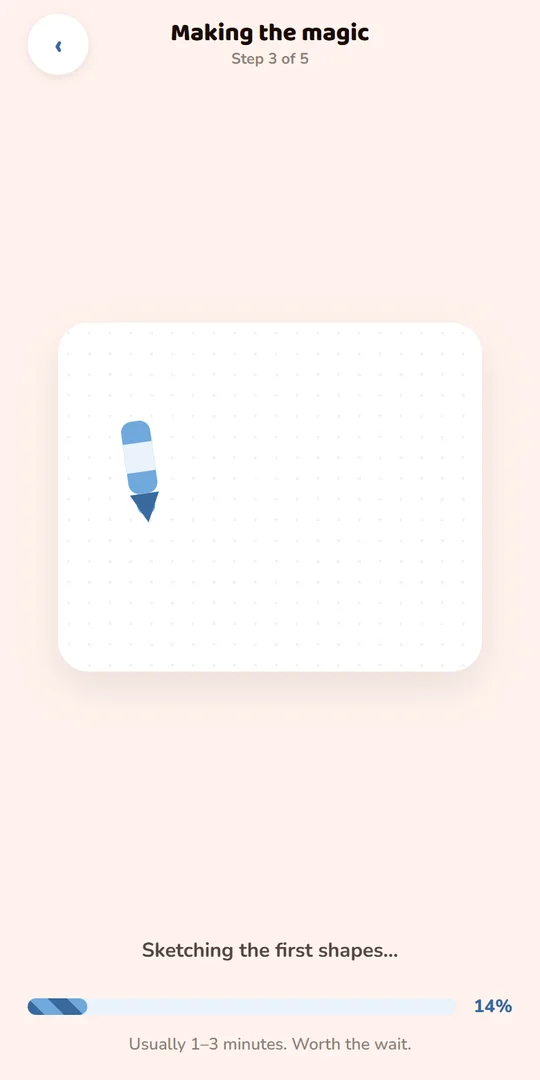
Generate the model
-
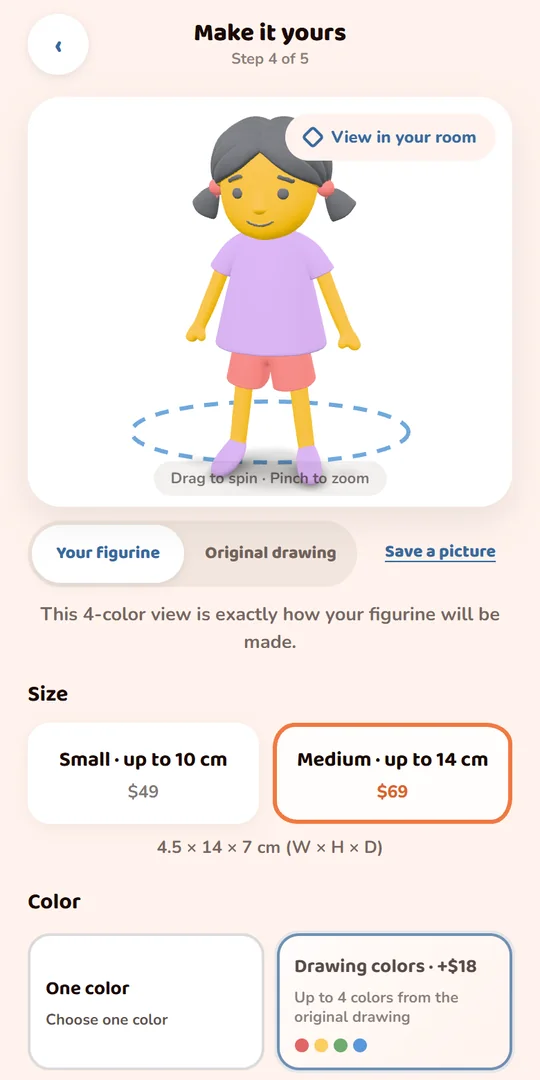
Preview, size and colours
-
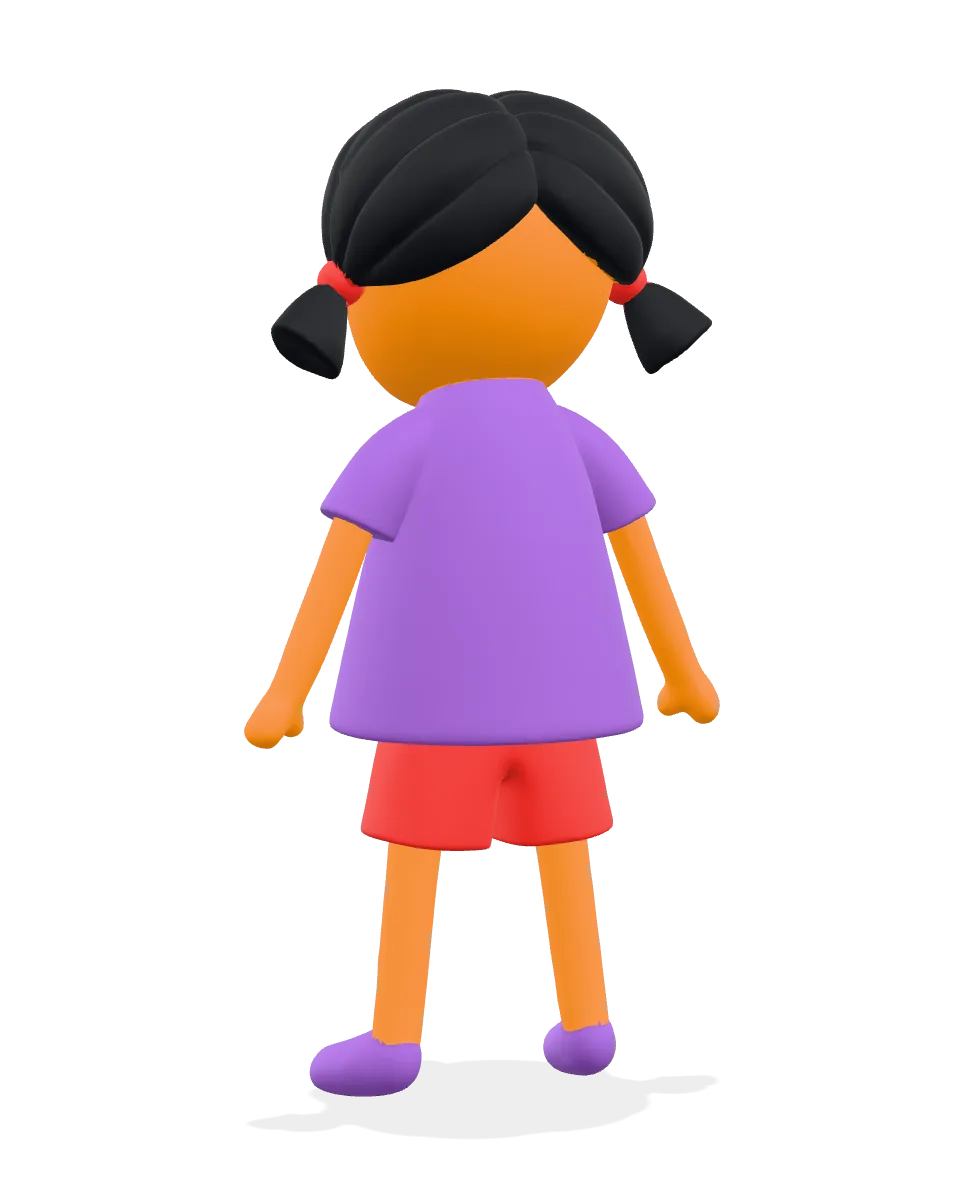
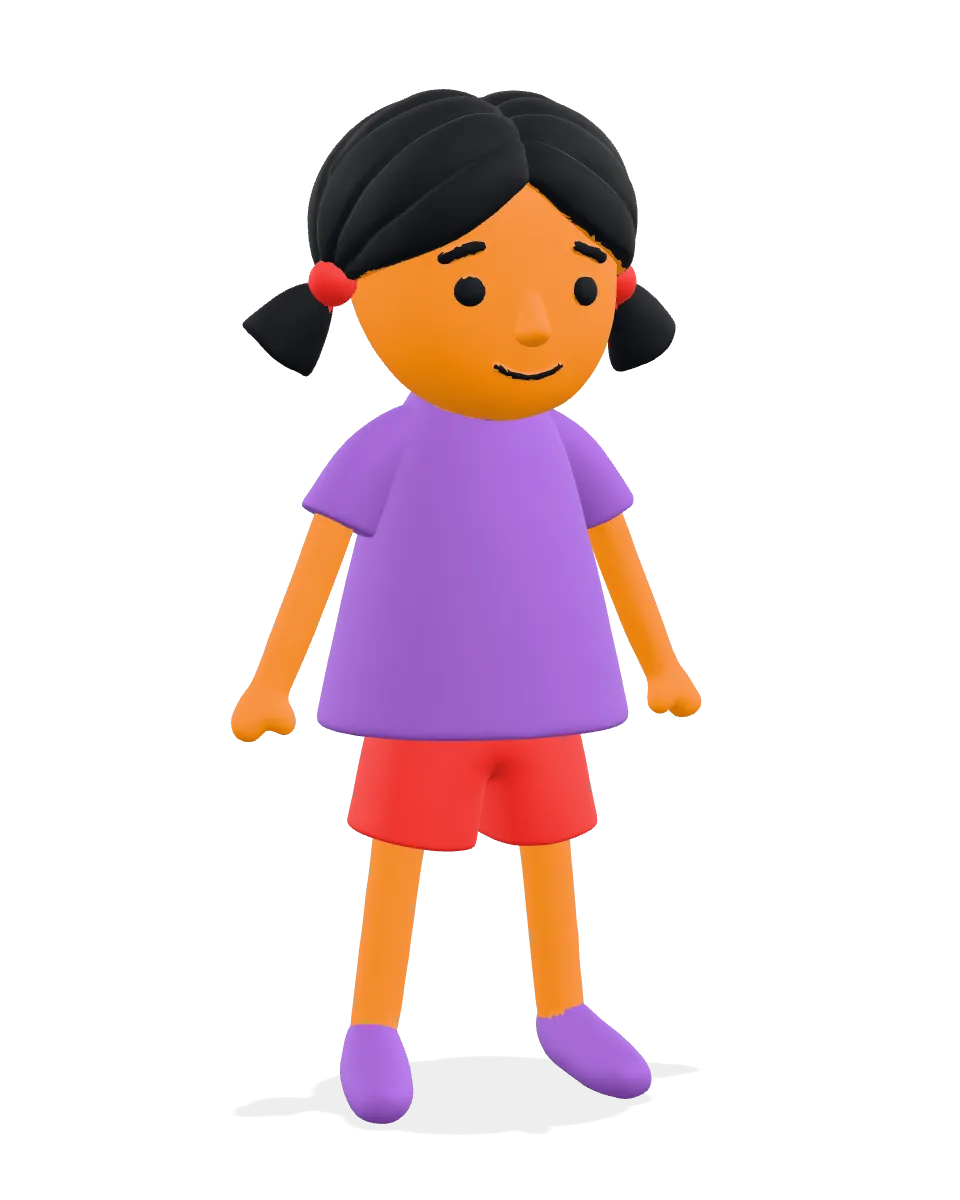
The model, as printed 4 materials · 48,250 triangles · 243 KB Turn it at the top of the page ↑
Under the hood
- Every upload is screened by a vision model before anything is generated
- Drawing to 3D model through an image-to-3D provider, with automatic fallback and a daily budget
- Colours reduced to up to four printable filaments and written as a multicolour print file
- The card is held at checkout and designed to be charged only when a local maker accepts the job
- Passwordless sign-in, bot protection and an augmented-reality preview on phones
Hiring managers and clients can request the full technical version.
- Product
- Tinkr Doodles
- Role
- Founder & technical lead
- Stack
- React, three.js / model-viewer, Cloudflare Workers, Postgres, Stripe
- AI
- Claude vision screening, image-to-3D generation
- Status
- Pre-launch · private beta
- Print plan
-
Medium print, 45 × 140 × 70 mm, from the file in FIG. 1.1 Slot Colour Triangles 1 Purple 15,089 2 Orange 12,833 3 Black 13,243 4 Red 7,085
Sheet 04: Built as a platform
Doodles is one app on Tinkr. The same API runs MakerChip and the hosted checkout, and is designed for partners who want to send print jobs into the provider network from their own products.
App registry
Every app, first-party or partner, is registered with its own keys, allowed origins and checkout return address, and can be paused on its own without touching the others.
Partner API
Sandbox and live keys, quotes and orders, a hosted checkout handoff, audience-filtered OpenAPI docs and signed webhooks with retries.
Developer tools
A TypeScript SDK, a sandbox that steps orders through every stage, and an AI build brief partners paste into their own coding agent.
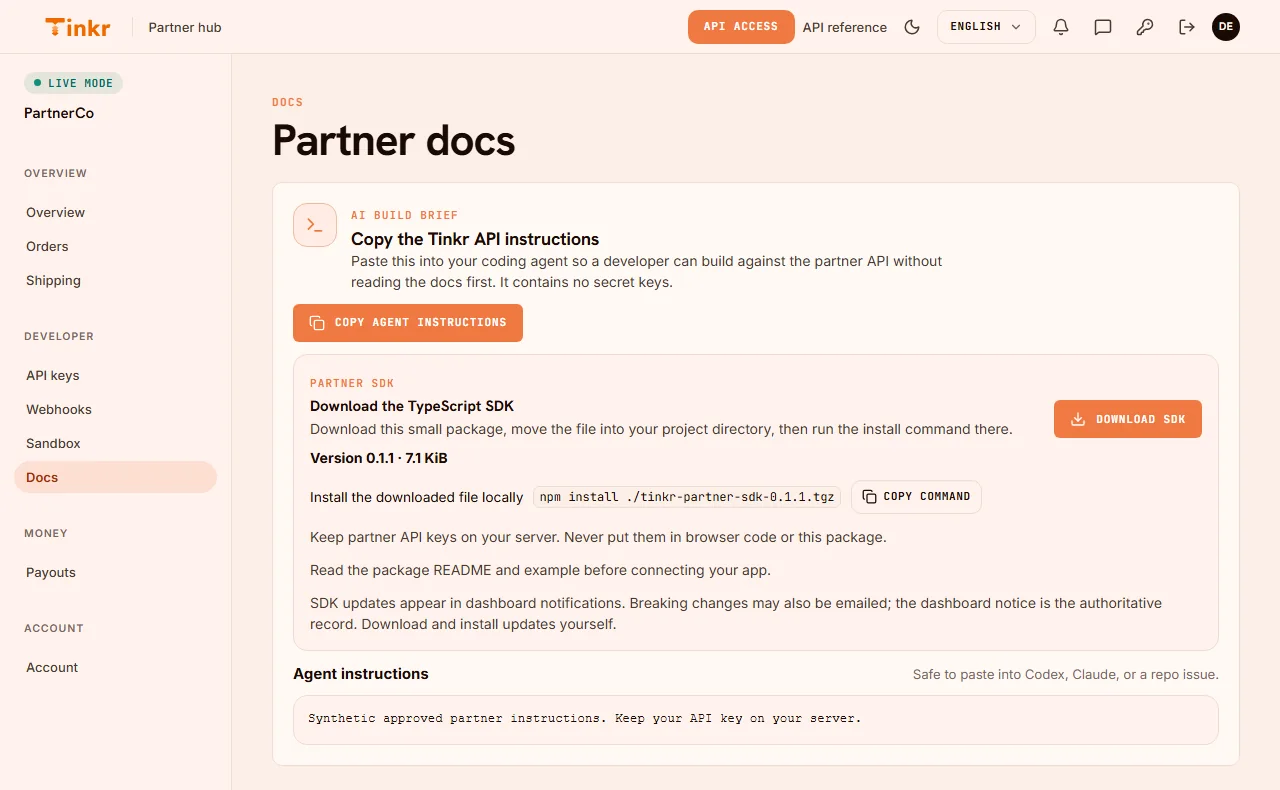
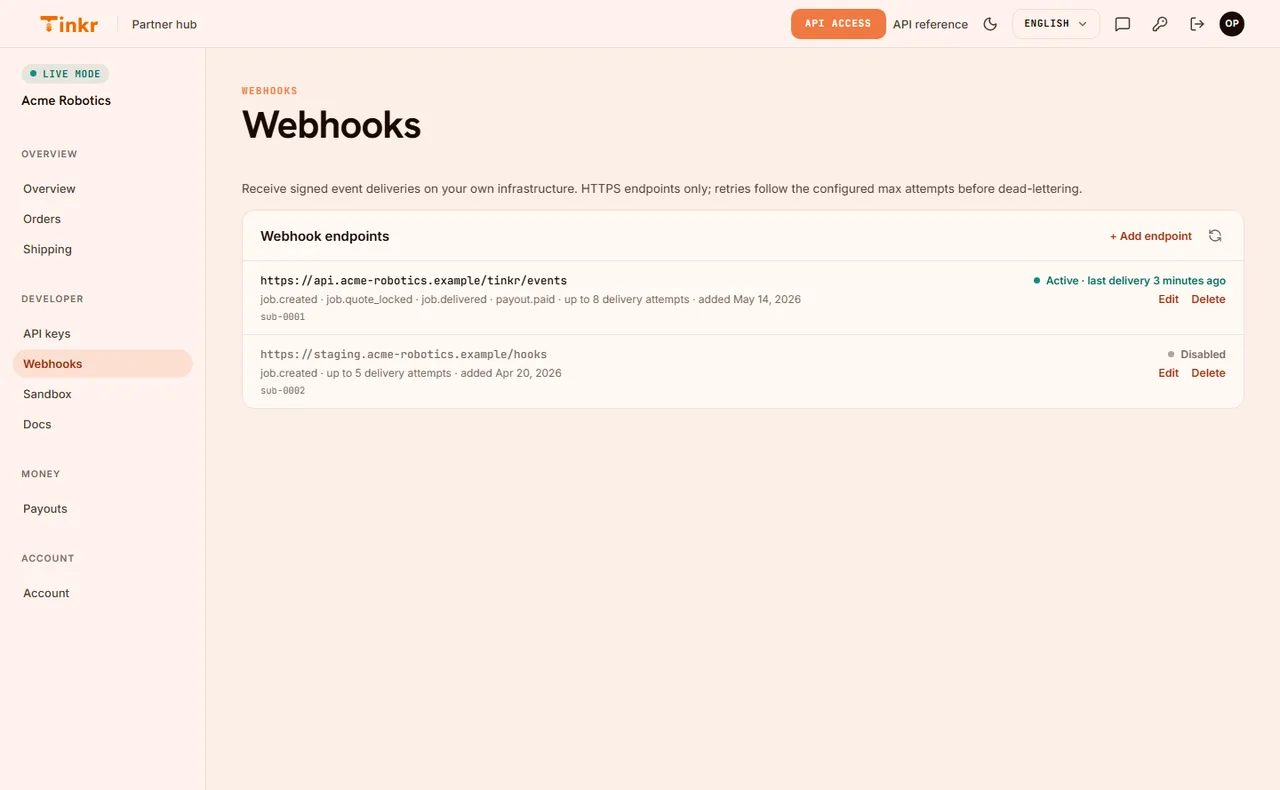
Pre-launch: the partner API is built and documented, with no external partners live yet.
Sheet 05: Experience
Connected-car apps for a global carmaker, internal tools for a truck manufacturer, the Smooz Android browser, and now my own platform. B.A. Computer Science, York University, Toronto.
-
2026–now
Founder & technical lead
Tinkr (Tinkr App Ltd, UK) · Remote
- Pre-launch 3D-printing platform: API, four React apps, cloud slicing, Stripe payments and provider payouts (in trial).
- Defined the product and architecture, and directed AI coding agents: one writes, another reviews, tests and CI must pass, and I approve the merge.
Status Pre-launch, private beta
-
2020–2025
Android engineer
Nissan Motor Corporation · Tokyo
- Built a camera-based Digital Driver's Guide prototype with TensorFlow Lite transfer learning, ML Kit and CameraX.
- Shipped features for the Nissan Connect Android app and worked with the Android Automotive Car SDK. Introduced unit testing and contributed to the consolidated Flutter app.
Stack Kotlin, Jetpack, Flutter, TF Lite
-
2018–2020
Full-stack developer
Daimler Trucks Asia (FUSO) · Kawasaki
- Built internal Kotlin/Spring Boot and React applications: a quiz platform, truck-driver tracking, and the web front end of a bus-tracking proof of concept later used by staff and clients.
- Taught a three-month introductory programming course in Kotlin to non-developers.
Stack Spring Boot, Kotlin, React
-
2017–2018
Lead Android engineer
Astool Inc. · Tokyo
- Sole Android developer of the Smooz mobile browser. Migrated it from Java to Kotlin and set it up so part-time developers could take it over.
Result 100,000 downloads, 4.5 stars in three months (app since discontinued)
-
2013–2017
Earlier roles
Computec Japan · York University
- Systems engineering, database administration and IT support in Tokyo. Web development and PL/SQL reporting for York University while studying.
Sheet 06: How I work
AI tools changed how quickly I can build. They didn't change what makes software trustworthy: clear scope, review, tests and honest status updates.
-
Prototype the risky part first
I start with whatever could sink the project, usually the data model, the payment flow or the AI call. You get a clickable version within the first week or two.
-
AI-assisted, with a paper trail
I work with coding agents such as Claude Code and Codex the way a lead works with a team. On client work every change is scoped, reviewed by a second agent, covered by tests, and I test it against the acceptance criteria before it merges.
-
Product decisions in writing
I ask who pays, what has to be true on day one, and what can wait. You get a short decision log, so the reasons behind a choice are still there in six months.
-
Integrations that assume failure
Stripe, payout providers, email, AI APIs and cloud jobs all fail in their own ways. I treat every webhook as untrusted, make every write idempotent, and check external state before acting on it.
-
Tests where the money is
Automated tests cover the paths that move money or change data, and deploys are gated in CI. I would rather ship a smaller feature that works than a bigger one that needs a hotfix.
-
A weekly written update
What shipped, what's next and what I need from you, plus a demo link. I'm async-first from UTC+8, with calls 15:00–19:00 UTC+8 (08:00–12:00 London).
Sheet 07: Have something to build?
mustafa.dualeh.devA useful first email includes
- What you want to build or fix, in a few sentences
- Who uses it and what "done" looks like for you
- Your timeline and rough budget range
- Links to anything that exists already: designs, repo, live site
Remote, from Asia-Pacific (UTC+8). Available to travel for short on-site periods when a project needs it. I reply within one working day.